To know your skin type at home, you need one quiet hour, not a quiz with fifteen confusing questions. Clean your face gently, leave it alone for a short period, and observe what happens. Does your whole face feel tight? Does the centre of your face become shiny while your cheeks stay comfortable? Do products sting even when your skin does not look oily or dry?
Those clues are more useful than chasing a perfect label. Skin type describes a pattern, not your identity. It can shift with weather, hormones, stress, travel, age, medication, and the products you use. So the goal is not to put your face in a permanent box. The goal is to understand what it is asking for today.
This guide shows how to know your skin type at home with a simple bare-skin test, a clean tissue or blotting sheet, and a little patience. It also explains why sensitive skin is different from dry skin, why combination skin is so common, and when a home check is not enough. If you have a painful rash, persistent swelling, severe acne, or ongoing irritation, skip the experiment and speak with a qualified dermatologist.
The short answer: use a clean-face observation test
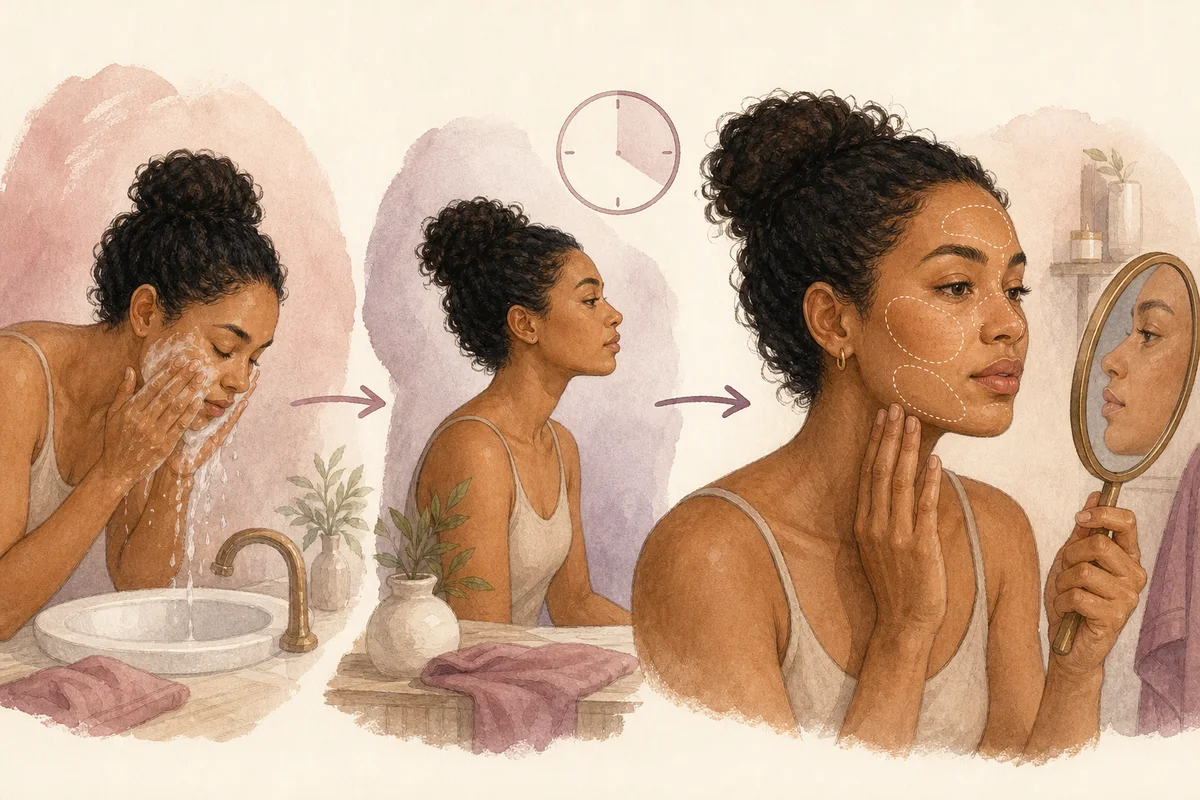
The most practical at-home method is simple. Wash your face with lukewarm water and a gentle, non-abrasive cleanser. Pat dry, apply nothing, and observe your skin after about 30 minutes and again after 60 minutes. Write down how it feels and looks instead of relying on one dramatic glance in the mirror.
Here is the quick version:
- Remove makeup, sunscreen, and anything else sitting on the skin.
- Cleanse gently with lukewarm water and your fingertips.
- Pat dry with a soft towel. Do not scrub.
- Leave your face bare for 30 to 60 minutes.
- Check your forehead, nose, cheeks, jaw, and around the eyes.
- If you want an extra clue, press a clean blotting sheet or tissue on each area and compare the oil marks.
Your result will usually fit one of five useful descriptions: normal, dry, oily, combination, or sensitive. These labels help you choose a comfortable routine, but they do not diagnose eczema, rosacea, acne, contact dermatitis, or another medical condition.
The American Academy of Dermatology's basic skin-care guidance describes dry skin as flaky, itchy, or rough; oily skin as shiny or greasy; combination skin as dry in some areas and oily in others; and sensitive skin as skin that may sting or burn after product use. That is a useful starting point, but your own observations still matter.

Before the test, reset your skin
The clean-face test is only useful if you remove the things that can distort it. Makeup can hide texture. Sunscreen can add a film. A rich cream can make normal skin look oily, while an aggressive cleanser can make comfortable skin feel dry. Testing immediately after a workout also tells you more about sweat than your usual skin pattern.
Choose a normal evening or morning when you are not rushing out into heat, applying makeup, or testing a new treatment. Wash your hands first. Then cleanse your face with lukewarm water and a gentle cleanser, using your fingertips in light circles. Rinse completely and pat dry.
The AAD's face-washing instructions recommend a gentle, non-abrasive cleanser, fingertips rather than rough tools, and no scrubbing. They also recommend limiting face washing to twice daily and after heavy sweating. More washing does not create a more accurate test. It can simply create irritation.
Leave your face completely bare for the observation period. No moisturizer, facial oil, toner, serum, mist, exfoliant, or spot treatment. Keep your hands away from your cheeks as much as possible, because touching transfers oil and can make the results harder to read.
Do not deliberately make the test uncomfortable. If your face burns, swells, cracks, or develops a rash after cleansing, rinse gently and stop. That reaction is a reason to get advice, not proof that you have a particular skin type.
Observe what your skin feels like after 30 minutes
At the 30-minute mark, start with sensation before appearance. A tight, stretched feeling across the whole face points toward dryness or irritation. A comfortable face with a little shine may be normal or mildly oily. A shiny forehead and nose with comfortable or tight cheeks suggests combination skin.
Now look at the areas separately. Your forehead, nose, and chin make up the T-zone. Your cheeks and jaw often behave differently. Under-eye skin is thinner and should not decide your overall skin type. It can feel dry even when the rest of your face is oily, so observe it gently without rubbing.
Ask yourself five clear questions:
- Does my whole face feel tight or rough?
- Is shine visible across most of my face or mainly through the T-zone?
- Do my cheeks feel dry while my nose and forehead feel oily?
- Does my skin feel comfortable but react when I apply certain products?
- Do I see flaking, redness, itching, burning, or a rash rather than a simple oil pattern?
The last question matters. Oiliness is about sebum and shine. Sensitivity is about how your skin reacts. You can have oily and sensitive skin, dry and sensitive skin, or combination and sensitive skin. Sensitive is not a substitute for every other category.
Use a tissue or blotting sheet for an extra clue
A tissue or blotting sheet can help you see where oil is sitting, but it cannot tell you everything about your skin. Press it gently on your forehead, nose, cheeks, and chin. Do not drag it across the face. Compare the marks rather than trying to win a contest for the most oil.
If the sheet shows noticeable oil from most areas, your skin may be oily. If it shows oil mainly from the forehead, nose, and chin while the cheeks leave little or no mark, combination skin is more likely. If there is very little oil and your skin feels tight or rough, dryness is possible.
If there is little oil but your face feels comfortable, you may have normal skin. If there is little oil and your face feels tight because the cleanser was harsh, the test is not telling you your natural type. It is telling you the cleanser was too stripping.
Blotting paper also has limits. Humidity, heat, exercise, menstrual-cycle changes, and the time since your last cleanse can alter the result. Use it as one piece of evidence. Your repeated pattern over several ordinary days is more reliable than a single sheet on an unusually hot afternoon.
How to recognize each skin type
The five labels below are practical descriptions. They are not medical diagnoses, and you do not need to match every sign perfectly.
Normal skin
Normal skin usually feels comfortable after cleansing. It may show a small amount of even shine by midday, but it does not feel persistently tight, greasy, flaky, itchy, or reactive. Texture and oil levels tend to look fairly balanced across the face.
Normal does not mean flawless. A person with normal skin can still have a pimple, dry patch in winter, or a reaction to a new ingredient. It simply means the usual oil and comfort pattern is fairly even.
Dry skin
Dry skin often feels tight after washing and may look dull, rough, flaky, or more lined when the face is bare. The tightness can continue even when you see no obvious flakes. Cold air, hot showers, indoor heating, and harsh cleansing can make it worse.
Dry skin is not the same as dehydrated skin. Dryness generally refers to a lower oil level. Dehydration refers to a lack of water and can happen to oily, combination, or normal skin too. At home, you may notice dehydration as temporary tightness or a crinkly feeling, but you cannot confirm the cause from a mirror test alone.
Oily skin
Oily skin usually develops visible shine across much of the face, not only around the nose. A blotting sheet may show oil from the forehead, nose, chin, and cheeks. Pores may look more noticeable, but pore size alone does not decide your skin type.
Oily skin still needs gentle cleansing and moisturizer. Stripping it until it feels dry can create discomfort and encourage a cycle of over-washing. A lightweight, comfortable routine is usually more useful than trying to remove every trace of natural oil.
Combination skin
Combination skin is oily in some areas and dry or comfortable in others. The classic pattern is an oily forehead, nose, and chin with cheeks that feel normal or dry. You may need to use different amounts or textures in different areas.
Combination skin is common, which is why a single whole-face answer can feel wrong. Treat your face as a map rather than a single surface. Apply less to areas that feel comfortable and give extra attention to areas that feel dry, while keeping the overall routine gentle.
Sensitive or reactive skin
Sensitive skin is defined more by reaction than by oil. It may sting, burn, itch, flush, or become red after a product, temperature change, friction, or environmental exposure. A person can have sensitive skin alongside any of the other four categories.
Do not intentionally provoke a reaction to confirm sensitivity. If a product repeatedly causes burning, swelling, hives, or a rash, stop using it. The AAD recommends an at-home test spot for new products, using a small area twice daily for seven to ten days before wider use. That test can reduce surprises, but it cannot rule out every allergy.

Repeat the test before you label yourself
One test gives you a clue. Three ordinary observations give you a better baseline. Repeat the clean-face check on different days when the weather and your routine are reasonably normal. Note the date, weather, cleanser used, time of day, and what you noticed at 30 and 60 minutes.
You do not need a complicated spreadsheet. A phone note with four lines is enough. Write “tight cheeks, comfortable forehead” or “shine across face, no tightness” instead of choosing a label too quickly. These descriptions will help you spot a pattern.
If your results keep changing, that does not mean you failed. Skin can change with seasons and life. You may be combination in humid weather and dry around the cheeks in winter. You may be oily during a stressful week and more comfortable later. Adjust your routine to the pattern you are actually experiencing.
This is also where your current skincare matters. A new exfoliant, acne treatment, retinoid, or fragranced product can temporarily make the skin feel dry or reactive. If you are changing several things at once, pause before drawing conclusions. The simple skincare routine for beginners is a useful baseline because it keeps the number of variables small.
Skin type is not the same as a skin condition
This distinction protects you from a lot of bad online advice. Dry, oily, combination, and normal describe common surface patterns. Acne, eczema, rosacea, contact dermatitis, psoriasis, and allergic reactions are conditions that may need professional assessment.
For example, redness does not automatically mean sensitive skin. Flaking does not automatically mean your skin is dry. A shiny face can still be irritated or dehydrated. Pain, persistent itching, swelling, cracking, bleeding, recurring rashes, or deep painful breakouts deserve more attention than a skin-type quiz can provide.
Do not keep testing if your skin becomes uncomfortable. Stop the suspected irritant, rinse gently, and use only familiar, bland care until you can get advice. If symptoms are severe, spreading, or accompanied by breathing difficulty or swelling of the lips or tongue, seek urgent medical care.
Choose a routine after you observe the pattern
Once you have a working description, keep your routine boring for a while. Cleanse gently, moisturize in an amount that feels comfortable, and protect exposed skin from the sun. Then adjust texture and quantity to your observations rather than buying a separate step for every concern.
Dry skin may prefer a richer moisturizing texture and fewer hot-water showers. Oily skin may prefer a lighter texture and a gentle cleanse without repeated scrubbing. Combination skin may need different amounts in the T-zone and on the cheeks. Sensitive skin usually benefits from fewer changes and careful patch testing.
The key is to change one variable at a time. If you add a new cleanser, moisturizer, exfoliant, and serum on the same day, you will not know which one helped or caused trouble. A quiet routine is not boring when it gives you a clear answer.
You can browse more practical, brand-free beauty guidance in the Beauty section. MyLifeHer is built around everyday notes, not a race to collect the most steps.
Common mistakes when checking skin type at home
Testing right after a harsh cleanse
If your face feels tight immediately after washing, do not assume that is your natural skin type. A strong cleanser, hot water, or scrubbing can temporarily strip the surface. Repeat the check with gentle technique before you label yourself dry.
Checking only the nose
The nose often has more visible pores and oil than the cheeks. It cannot represent your whole face. Check the forehead, cheeks, jaw, and area around the mouth as well.
Calling every reaction sensitivity
Sensitivity is about a recurring reaction pattern. A single sting can come from a damaged skin barrier, an overly strong treatment, or a product getting too close to the eyes. Note what happened, stop the trigger, and seek advice if the reaction persists.
Testing after a workout or in extreme weather
Sweat and heat can make nearly anyone look oilier. Cold wind can make many faces feel tight. Test under ordinary conditions, or repeat on a calmer day before making a decision.
Changing your whole routine based on one result
One afternoon does not need a complete bathroom reset. Observe three times, choose a simple baseline, and make one small adjustment. This is slower than following a viral checklist, but it creates much better information.
When to ask a dermatologist
Ask a dermatologist if you cannot tell whether you are dealing with sensitivity, acne, eczema, rosacea, or another condition. Make an appointment for a rash that keeps returning, painful or deep acne, scarring, persistent itching, swelling, or skin that cracks and bleeds.
Professional care is also useful when every product burns or when a routine that once worked suddenly stops working. Bring a short list of what you use, when symptoms started, and photos taken in ordinary light. That information can help a clinician understand the timeline.
At-home observation is useful for choosing a gentler routine. It is not a replacement for diagnosis. Knowing the difference is part of knowing your skin well.
Frequently asked questions
How can I know my skin type at home?
Cleanse gently with lukewarm water, apply nothing, and observe your bare skin after 30 to 60 minutes. Check the forehead, nose, cheeks, jaw, and around the eyes. A tissue or blotting sheet can add a clue about oil, but repeated observations are more useful than one test.
How long should I wait after washing to test my skin type?
Wait about 30 minutes, then check again around 60 minutes. This gives the skin time to settle after cleansing. If your cleanser leaves you painfully tight or burning, stop and repeat later with gentler technique instead of treating that reaction as your skin type.
How do I tell if I have dry or dehydrated skin?
Dryness usually describes a lower oil level, while dehydration describes a lack of water. A home test cannot confirm the cause. Look for repeated patterns, adjust gentle cleansing and moisture, and ask a dermatologist if tightness, flaking, itching, or irritation persists.
Can I have oily and sensitive skin at the same time?
Yes. Oily describes oil and shine, while sensitive describes how skin reacts. You can be oily and reactive, dry and reactive, or combination and reactive. Keep the routine gentle and patch test new leave-on products.
Why is my skin type different in summer and winter?
Weather, humidity, indoor heating, sweat, stress, hormones, and skincare changes can alter how your skin feels and looks. You may be oilier in humid weather and tighter in cold, dry air. Adjust the amount and texture of basic care rather than treating the label as permanent.
Can a tissue test accurately identify my skin type?
A tissue or blotting sheet can show where oil is present, but it cannot diagnose dryness, dehydration, sensitivity, or a skin condition. Use it as one clue alongside comfort, texture, and repeated observations across ordinary days.
When should I stop testing my skin at home?
Stop if cleansing or observation causes burning, swelling, a spreading rash, severe itching, cracking, bleeding, or pain. Get professional advice for persistent symptoms. Seek urgent care for breathing difficulty or swelling of the lips or tongue.
Bottom line: observe first, label later
Here is the practical next step to know your skin type at home: choose a normal day, cleanse gently, leave your skin bare, and write down what you notice at 30 and 60 minutes. Repeat it a few times. Look at the whole face, not just the nose, and separate oil level from sensitivity.
Then build the smallest routine that keeps your skin comfortable. You do not need a dramatic diagnosis from a bathroom mirror. You need a useful pattern, one careful change at a time, and professional help when the signs move beyond everyday variation.
For more independent notes about beauty and daily care, visit the MyLifeHer journal or learn why this site began. The point is simple: understand your skin before you ask it to do more.