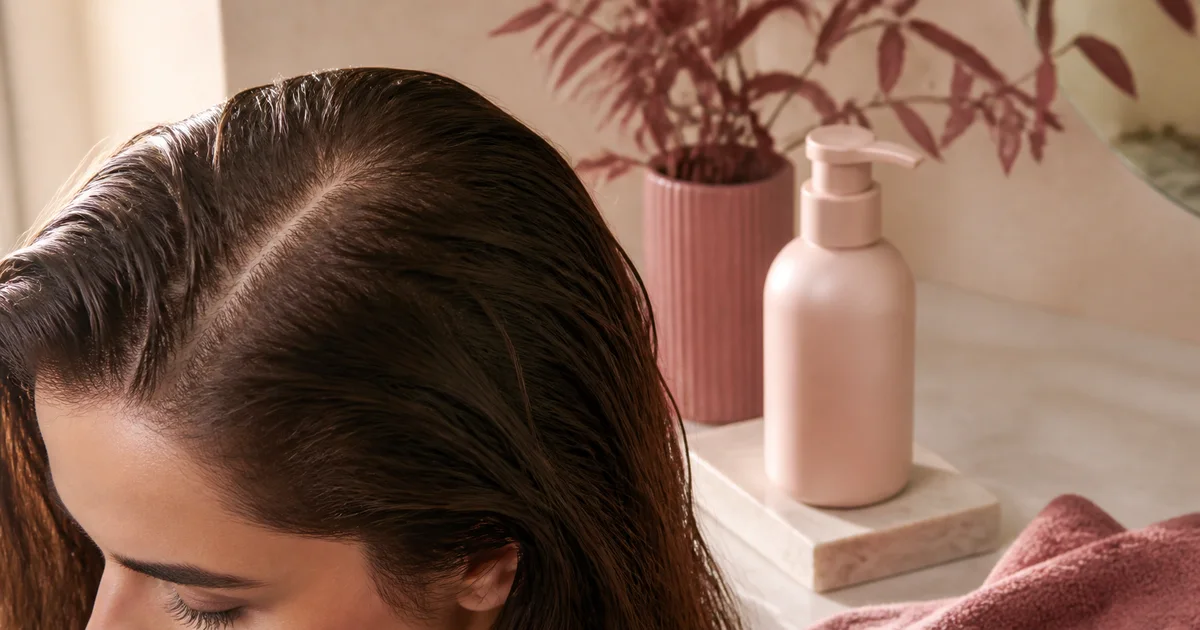
Dandruff and dry scalp can both create flakes, but they are not the same problem. Dandruff is often linked with an oily or irritated scalp and may cause larger, recurring flakes and itch. A dry scalp usually feels tight or rough and may improve when harsh products are replaced with gentler care.
The symptoms overlap, so this is a guide rather than a diagnosis.
Clues that suggest dandruff
Dandruff often returns, causes itch, and produces visible flakes on the scalp or clothing. The scalp may look oily or irritated. An anti-dandruff shampoo with an appropriate active ingredient can help mild cases when used according to its label.
The AAD lists ingredients such as ketoconazole, selenium sulfide, zinc pyrithione, salicylic acid, sulfur, and coal tar. Follow the instructions and allow contact time when directed.
Clues that suggest dryness
A dry scalp may feel tight, especially after washing, and flakes may be smaller and powdery. Cold weather, low humidity, hot water, and stripping hair products can contribute. Switching to a gentle shampoo and reducing hot water may help.
If a medicated shampoo makes the lengths dry, apply it to the scalp only and condition the hair as needed. Read How Often Should Women Wash Their Hair? for frequency guidance.
When to see a dermatologist
Seek care for thick plaques, bleeding, pus, severe itch, hair loss, pain, or symptoms that do not improve. Psoriasis, eczema, fungal infection, and contact dermatitis can look like ordinary flakes but need different treatment.
Frequently Asked Questions
Can dandruff happen with oily hair?
Yes. Dandruff is often associated with an oily or irritated scalp.
Does dry scalp always mean dandruff?
No. Dryness can come from low humidity, hot water, or irritating products.
How long should dandruff shampoo stay on?
Follow the bottle. Some need several minutes on the scalp before rinsing.
Can oil cure dandruff?
Oil may not treat the underlying condition and can worsen some oily scalp symptoms.
When should I see a dermatologist?
See one for severe, persistent, painful, or unusual scaling and any associated hair loss.
Bottom line: recurring itchy flakes may be dandruff; tight powdery flakes may be dryness. When unsure, get the scalp examined.